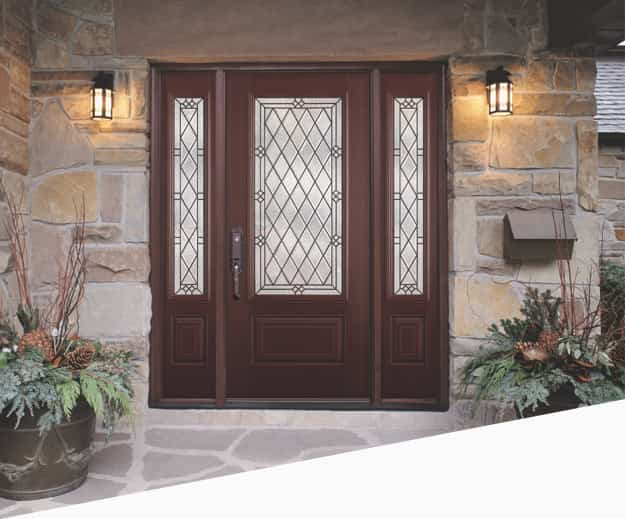
Your front entry door is more than just the centerpiece of your home’s curb appeal—it serves as your home’s frontline barrier against severe Ontario winter storms, sub-zero blizzards, summer humidity, and unwanted intruders.
While high-quality exterior doors are engineered to endure decades of exposure, temperature cycles and constant daily operation inevitably take their toll. If your front door was installed 15 to 25 years ago, or was builder-grade stock installed when your subdivision was developed, it is likely leaking significant amounts of heated air and compromising home safety.
Below is our comprehensive guide to the 5 unmistakable warning signs that it is time to invest in a modern replacement entry door system.
1. Noticeable Drafts or Daylight Visible Around the Door Perimeter
Drafts in your front foyer are the most common complaint among Ontario homeowners during cold winter snaps. If you feel a chill stepping into your hallway or notice outdoor daylight creeping between the door slab and frame, your weatherstripping and door sweep have failed.
Quick At-Home Diagnostic Tests
- The Flashlight Inspection Test: At night, have a family member stand on the outside of the closed door with a bright flashlight aimed around the perimeter. If light leaks into the dark interior foyer, your door is not making airtight contact.
- The Dollar Bill Friction Test: Close the door on a dollar bill or strip of paper. If you can slide the bill out effortlessly without friction, your perimeter compression seal is compromised.
- The Candle or Incense Smoke Test: Slowly trace a smoking incense stick around the perimeter on a windy day. Erratic smoke indicates significant draft currents penetrating the threshold.
Building Science Insight: A 1/8-inch gap under or around an exterior door lets in as much cold outdoor air as a 2.5-inch hole punched directly through your exterior insulated wall. Replacing a drafty entry door can reduce annual space-heating energy loss by up to 12%.
2. Difficulties in Latching, Sticking, Scraping, or Sagging
If securing your front door requires leaning your shoulder into the slab, lifting the handle upward, or forcefully yanking to turn the deadbolt key, your door system has undergone structural deflection.
Why This Happens in the Greater Toronto Climate
- Seasonal Moisture Absorption: Traditional solid wood and wood-core doors absorb moisture during humid Ontario summers and contract during dry, heated winters. Over years, this cycling permanently warps the slab.
- Hinge Fatigue and Screw Stripping: Heavy doors exert continuous downward leverage on the top hinge. When screws work loose from the structural framing, the door drops out of square.
- Foundation Settling: As homes naturally settle over decades, the rough doorway frame twists, pinching the door against the jamb.
Modern fiberglass and 24-gauge galvanized steel replacement doors will never warp, bow, or rot regardless of weather extremes.
3. Moisture Damage, Rust Blisters, or Soft Wood Rot
Take a close look at the bottom 12 inches of your door slab, frame jambs, and exterior brickmould. This zone takes the brunt of splashback from rain, melting snow, and driveway road salt.
Critical Areas to Inspect
- Bottom Jamb Corners: Press a flathead screwdriver gently against the wood jamb where it meets the sill. If the wood feels spongy or gives way, hidden fungal rot has taken root.
- Steel Skin Blistering & Rust: On older builder-grade steel doors, chips in the paint allow moisture to corrode the underlying sheet metal, creating bubbling rust pockets that cannot be permanently patched.
- Peeling or Cracking Veneer: On wood doors, failing finish coats expose raw wood grain, leading to severe moisture absorption and localized swelling.
If wood rot has penetrated the structural jambs or sub-sill, recaulking is only a temporary cosmetic fix. A complete pre-hung system replacement is necessary to prevent water infiltration into your home’s subfloor.
4. Cold Glass Surfaces or Condensation Between Sealed Panes
Many front entry doors feature decorative sidelites, transoms, or central glass lites. While natural illumination enhances your entryway, older glass units are notorious thermal bottlenecks.
Symptoms of Glass Seal Failure
- Internal Fogging or Moisture Droplets: If you see condensation or white mineral residue inside the sealed glass unit that you cannot wipe off, the hermetic butyl edge seal has ruptured.
- Frost Accumulation Along the Glass Edges: During sub-zero January nights, cold outdoor air radiates across the glass surface, causing room humidity to freeze into frost on the interior glass trim.
- Single-Pane Glass: Older glass inserts lack modern Low-E coatings and argon gas insulation, making them icy to the touch and accelerating heating costs.
Comfort Windows & Doors installations feature dual- and triple-glazed tempered safety glass units with warm-edge spacers and high-density argon gas fills, delivering superior thermal isolation and noise suppression.
5. Outdated Security Hardware and Vulnerable Jambs
Security is one of the top reasons homeowners replace their entry doors. Over 34% of residential burglaries occur through the front door, primarily via forced entry kicking rather than lock picking.
Modern Security Features You May Be Missing
- Multi-Point Locking Systems: Standard doors have a single deadbolt that secures into the strike plate at one central point. Modern systems engage three hardened steel shoot-bolts into the header, lock jamb, and threshold with a single turn of the deadbolt.
- Reinforced Steel Strike Plates: Standard strike plates are fastened with 3/4-inch screws that only anchor into the soft jamb trim. Modern installations use 3-inch hardened steel screws that anchor directly into the home’s 2x4 framing studs.
- Impact-Resistant Fiberglass Skins: High-density fiberglass door skins resist blunt impacts and will not dent or puncture under forced entry attempts.
Old Builder-Grade Door vs. Modern High-Performance Door
| Feature | Older Builder-Grade Door | Modern Comfort Replacement Door |
|---|---|---|
| Core Insulation | Hollow wood or low-density polystyrene (R-2 to R-4) | High-density polyurethane foam core (R-13 to R-15) |
| Material Stability | Prone to warping, wood rot, and rusting | Compression-molded fiberglass or galvanized steel (zero warping) |
| Perimeter Weatherstripping | Brittle foam tape or flattened vinyl sweeps | Dual-bulb Q-Lon compression seals & adjustable thermal break sill |
| Glass Insert Rating | Standard clear double glass (U-Factor ~0.45) | Low-E argon insulated tempered glass (U-Factor ≤ 0.22) |
| Security Mechanism | Single deadbolt in soft pine jamb | Multi-point 3-bolt system with 3-inch framing anchors |
| Maintenance Required | Sanding, painting, and caulking every 2–3 years | Virtually maintenance-free factory finishes (25-Year Warranty) |
When to Repair vs. When to Replace
Not every issue demands a full replacement. Here is how to make the right financial decision for your home:
Safe to Repair If:
- The door slab and frame are completely square, plumb, and rot-free.
- The issue is simply worn surface weatherstripping or a loose hinge screw.
- The surface finish is slightly faded but the underlying material is structurally sound.
Strongly Recommend Replacement If:
- You feel continuous cold drafts despite repeated weatherstripping adjustments.
- The jambs or sill bottom exhibit soft wood rot or persistent water intrusion.
- The slab is warped and cannot be latched without forceful lifting.
- Glass inserts are fogged permanently between the panes.
- You want superior home security, lower heating bills, and verified Energy Star efficiency.
Summary & Next Steps
Upgrading your front door is one of the highest-ROI exterior remodeling projects you can undertake, consistently recouping over 75% of its value at resale while delivering immediate draft relief and enhanced neighborhood curb appeal.
At Comfort Windows & Doors, our in-house master installers specialize in custom fiberglass and steel architectural entry systems engineered specifically for Canadian climates. Every installation includes custom exterior aluminum capping, heavy-duty weather sealing, and lifetime transferable warranty coverage.
Ready to upgrade your home’s entryway?
Request your free in-home measurement and consultation with our experts today, or call our Vaughan office directly at 416-800-1365.